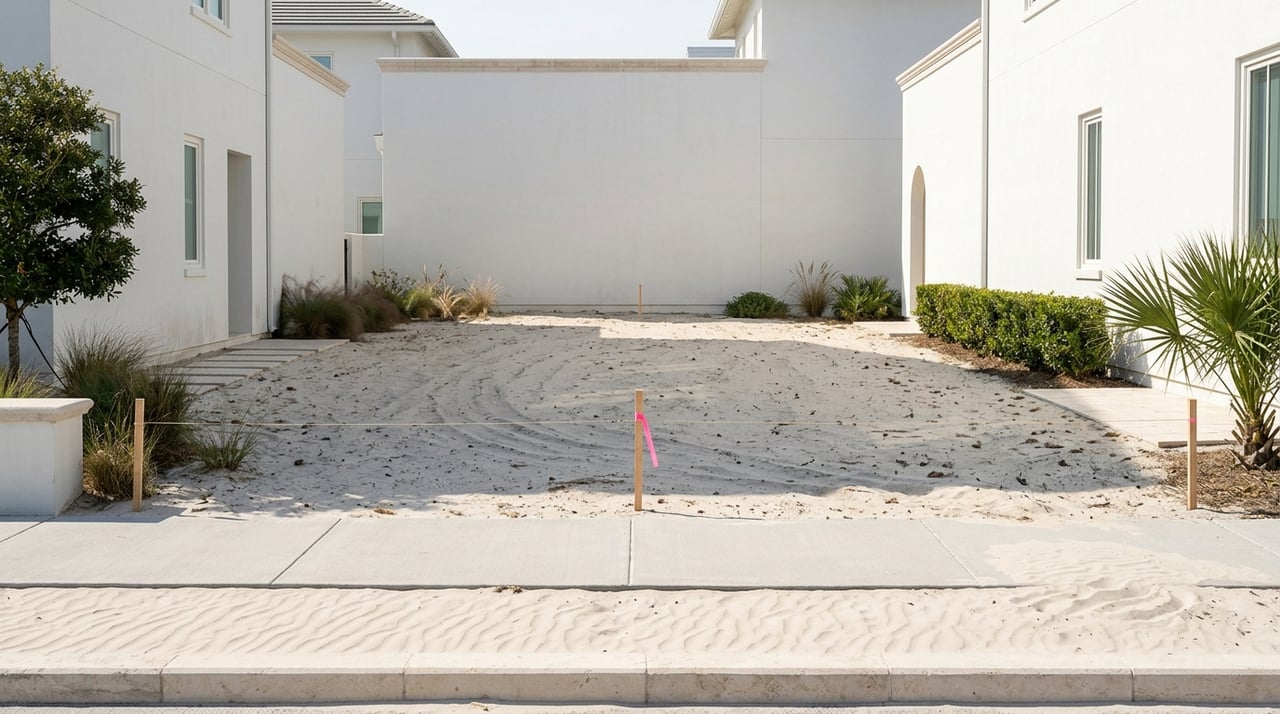
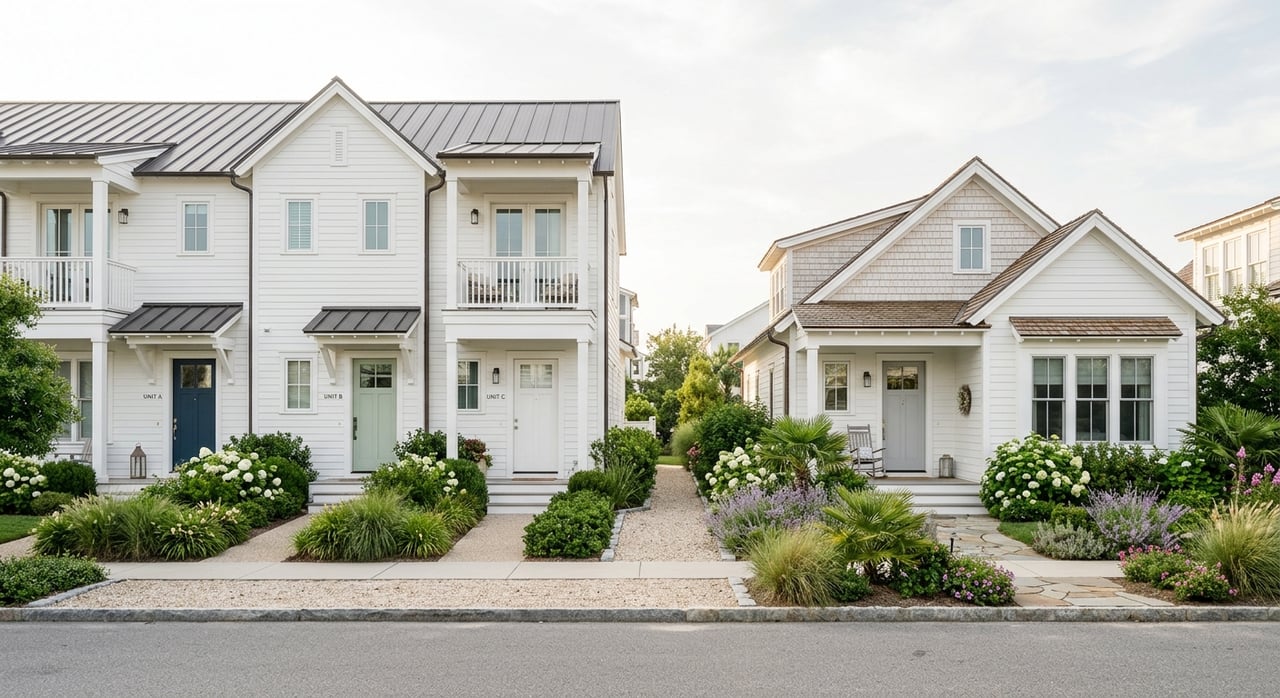
You can fall in love with an Inlet Beach lot at first glance, but the right parcel on 30A is all about the details you cannot see from the street. Between coastal rules, flood elevations, covenants, and utility capacity, small misses can turn into big costs. If you want to build with confidence, you need a plan. In this guide, you’ll learn exactly what to verify in Inlet Beach before you buy, how local codes shape what you can build, and where the major cost drivers hide. Let’s dive in.
Quick pre-offer checklist
Before you write an offer or release contingencies, confirm the essentials:
- Flood and coastal overlays. Pull the parcel on the FEMA Flood Map Service Center to see the flood zone and Base Flood Elevation (BFE). Many sites are in AE or VE zones, and BFE can change block by block. Start at the FEMA Flood Map Service Center.
- County rules and neighborhood plan. Inlet Beach is in unincorporated Walton County. The Walton County Land Development Code (LDC) and the Inlet Beach Neighborhood Plan control setbacks, height, lot coverage, lighting, and dune protection. Review LDC Chapter 5 and LDC Chapter 4.
- Recorded covenants and plat. Search the Walton County Clerk of Court Official Records for CC&Rs, preservation notices, and the recorded plat. The plat may show setbacks, drainage and utility easements, and buildable envelopes. Use the Walton County Clerk Official Records search.
- Utilities. Confirm the water and sewer provider for the exact parcel and request a written capacity or tap letter. Inlet Beach has seen contract and tap-availability disputes, so written proof matters. Recent county records highlight this risk in the area. See Walton County’s utility discussion records.
- Survey and geotech. Order a boundary and topographic survey that shows elevations and any resource buffers. On coastal sands, budget for geotechnical borings to guide foundation design early.
Who regulates your build
Walton County approvals
Walton County Planning and Development, along with the Building Department, handle local land-use and building permits for Inlet Beach. Many projects require planning review before the building permit, and stormwater, floodplain, and foundation checks can add time. Learn more from the county’s Planning and Building FAQs.
State coastal controls
Work seaward of the Coastal Construction Control Line (CCCL) or any activity that affects dunes or the beach requires Florida Department of Environmental Protection (DEP) review. Portions of Inlet Beach lie within managed or critically eroded segments where DEP restrictions shape what is allowed. Review the Panhandle region of the state’s beach management plan for context on shoreline protections and project limits in this area using the Florida DEP plan.
FEMA flood and elevation
FEMA maps determine the flood-hazard zone and BFE. The county enforces finished-floor elevation requirements and needs elevation certificates for development in Special Flood Hazard Areas. Start every analysis with the FEMA Flood Map Service Center and request a parcel-specific determination from the county Floodplain Manager as you advance design.
Key local code rules
The Walton County LDC sets the framework for what you can build in Inlet Beach.
- Inlet Beach Neighborhood Plan. The plan can refine setbacks, height, and coverage beyond countywide standards.
- Resource protection. Chapter 4 outlines protections for coastal resources, including dune lakes and buffers. Read LDC Chapter 4.
- Design and development standards. Chapter 5 includes setbacks, driveways, stormwater, landscaping, and sea turtle lighting controls for beach-facing properties. Review LDC Chapter 5.
- Construction code. The Florida Building Code applies statewide. Coastal wind, exposure, and flood loads require engineered design. See the state’s summary of the current edition in this Florida Senate analysis.
Seasonal or method restrictions can apply for sea turtle nesting and lighting, especially for gulf-front work. Plan lighting, dune walkovers, and any beach access elements early to align with county and DEP conditions.
Covenants and design controls
Covenants, conditions, and restrictions (CC&Rs) and any HOA or Architectural Review Board (ARB) rules can affect your design, rental plans, and timeline.
- Search the recorded CC&Rs and any Preservation Notices using the Walton County Clerk Official Records search.
- Request the full HOA packet. Ask for CC&Rs, by-laws, ARB guidelines, budgets, reserve studies, insurance, and meeting minutes from the past 12 to 24 months.
- Verify enforceability. Some older deed restrictions in Florida can be impacted by the Marketable Record Title Act if not preserved. Have your title company or attorney confirm status. For background, see a primer on MRTA and covenants from Legal Clarity.
A careful read of these documents can reveal rental rules, height and footprint limits, and potential special assessments that change your project economics.
Title, plats, and setbacks
Order a current title commitment and the recorded subdivision plat. Plat notes often establish building setback lines, dedicated open space, drainage, and utility easements. If a lot adjoins preserved dunes or buffers, easements may limit the buildable area. Cross-check the plat with your boundary and topo survey to confirm the true envelope before you finalize design.
Utilities and sewer taps
Water and sewer availability can make or break a lot. In Inlet Beach, service can involve local systems or regional providers, and capacity is not guaranteed.
- Get it in writing. Obtain a capacity or tap letter from the provider that covers your exact parcel. County records reflect ongoing concern about tap availability and rate changes in this area. See the county’s meeting records on utilities.
- Identify the provider. Some documents and plats list utilities. Recent filings, like the Grand Inlet at the Park plat request, show how providers are documented in county staff reports. Review an example in the county’s project file.
- Septic considerations. If central sewer is not available and septic is allowed, confirm Department of Health minimum lot sizes and setbacks, and make sure the LDC and Comprehensive Plan allow it at your planned density.
Electric, gas, and telecom connections can add costs if lines must be extended. Contact providers early to scope lateral runs and fees.
Survey, soils, and geotech
Coastal soils vary. Loose sands, high groundwater, or peat layers can dictate foundation type and cost. Order geotechnical borings and a written report before you set a budget. Many coastal homes require elevated pile foundations. Walton County permitting and flood reviews expect engineered designs informed by a geotechnical report, so building this into your schedule and costs early helps prevent surprises. See foundation and floodproofing expectations in LDC Chapter 5.
Cost drivers to budget
Coastal pricing varies by lot, elevation, access, and finish level. Use these ranges as a planning lens, then confirm with local bids.
- Surveys. Boundary and topo surveys often run about 1,000 to 4,000 dollars for a single lot, with ALTA standards if a lender requires them.
- Geotechnical. Borings and a report typically range from 1,500 to 6,000 dollars depending on depth and number of borings.
- Clearing and site prep. Erosion control, access, and tree removal can range from 5,000 to 40,000 dollars or more, depending on conditions and driveway length.
- Fill and elevation. Raising grades to meet finished-floor elevation can be a major line item on gulf-adjacent properties, often reaching into the tens of thousands.
- Foundations. Elevated coastal foundations with driven or helical piles, caps, and framing to the first floor add significant cost compared with slab-on-grade. Small elevated packages can be in the tens of thousands, while larger homes or deeper piles can climb into the low hundreds of thousands. Geotechnical results drive these choices.
- Utilities. If septic is allowed and needed, budget roughly 10,000 to 40,000 dollars depending on the system and site. Central sewer tap and connection fees vary widely by provider, and tap availability or cost can shift with utility agreements. Secure a written tap or capacity letter, and review the county’s utility records for the latest context in Inlet Beach.
- County fees and professionals. Walton County plan review, building permits, and inspections apply to most projects. Expect engineering, stormwater, and foundation certifications as part of plan review. Find process timing in the county’s Planning and Building FAQs.
- Whole-house builds. Custom coastal construction on 30A can vary widely per square foot due to wind, flood, elevated foundations, and impact-rated openings. Always rely on local builder quotes and coastal cost guides to benchmark your final budget.
Step-by-step timeline
Use this workflow to move from discovery to a confident build plan:
- Fast checks in 48 to 72 hours. Pull FEMA flood data and Walton County LDC references, search the Clerk of Court for CC&Rs and the plat, and call likely water and sewer providers for tap policy.
- Contingency period, 10 to 30 days. Request the full HOA packet, title commitment with exceptions, and any past elevation certificates or permits. Order your boundary and topo survey and schedule geotechnical borings.
- Pre-application meeting. Meet with Walton County Planning to confirm how the LDC and the Inlet Beach Neighborhood Plan apply to your lot, what studies are required, and expected timelines. Start DEP coordination if CCCL or dune work is involved. Use the county’s Planning and Building FAQs to align on steps.
- Design and permitting, 30 to 120-plus days. Finalize foundation and flood design to the geotech report, lock utility taps and fees, and submit county applications and any necessary DEP coastal permits. State coastal review can extend schedules for beach or dune impacts. Reference the Florida DEP plan for the regional context.
- Final pricing and contracts. After you have survey, geotech, permit conditions, and utility letters, request final builder pricing and adjust allowances before you start.
Red flags to pause
- FEMA VE zone with high BFE and no prior elevation certificate. Foundation and flood mitigation costs may be significant. Verify on the FEMA Flood Map Service Center.
- Seaward of the CCCL or near dune restoration projects. DEP approvals can be restrictive or denied. Review the Florida DEP plan.
- No available sewer taps or unclear utility contracts. This can stop construction on an otherwise ready lot. Check county utility records and get a written capacity letter from the provider.
- Restrictive CC&Rs or ARB rules that do not match your goals. Always read the full HOA packet and meeting minutes from the past 12 to 24 months using the Clerk Official Records search.
- Plats and easements that leave a narrow buildable area. Confirm with a current survey.
Your next step
If you want to evaluate a specific homesite with clarity, bring us the parcel and your goals. We will help you triage covenants, confirm code paths and permit timing, and surface the cost drivers that matter most before you buy. When it is time to write the offer, you will have a plan that fits your build and your budget. Connect with Tom Fitzpatrick to start a focused lot review today.
FAQs
What is the CCCL and how could it affect an Inlet Beach homesite?
- The Coastal Construction Control Line marks areas where Florida DEP reviews projects that may impact the beach or dunes, so some gulf-front or near-shore work needs DEP permits and can face method limits or seasonal controls; review the Florida DEP plan and confirm your lot’s location.
How do FEMA flood zones change building costs in Inlet Beach?
- Lots in AE or VE zones must meet finished-floor elevation standards set by FEMA and enforced by the county, which often means elevated foundations and floodproofing that add cost; start with the FEMA Flood Map Service Center and get a county floodplain determination.
Where do I find CC&Rs and ARB rules for a specific lot?
- Search the recorded CC&Rs, preservation notices, and plat on the Walton County Clerk Official Records and request the full HOA packet, including ARB guidelines, budgets, and recent meeting minutes.
Who provides water and sewer in Inlet Beach, and how do I verify taps?
- Providers vary by parcel, so contact the utility that serves your lot and request a written capacity or tap letter; recent Walton County records show why written confirmation is critical in Inlet Beach.
What surveys and studies should I order before closing on a lot?
- Order a boundary and topo survey with elevations, plus geotechnical borings; coastal soils and flood loads drive foundation type, and Walton County permitting typically expects engineered plans informed by geotech per LDC Chapter 5.
How long does permitting take for a coastal home in Walton County?
- Plan for weeks of county planning and building review, and allow extra time if DEP coastal permits are required; align your steps with the county’s Planning and Building FAQs and factor in state coastal review timelines.