Is A Sandestin Condo Or Home Better For Investment?
March 24, 2026
March 24, 2026
Trying to decide whether a Sandestin condo or a single-family home or townhome is the smarter investment? You are not alone. Sandestin draws steady vacation demand and strong pricing, but the right asset type depends on how you plan to use it and what you need it to earn. In this guide, you will see how condos and homes stack up on price, fees, rental performance, maintenance, insurance, and financing so you can move forward with clarity. Let’s dive in.
Sandestin Golf and Beach Resort is a 2,400-acre, master-planned resort in Miramar Beach with private beach access, golf, tennis, a marina, and the Village of Baytowne Wharf. These amenities, along with walkability and on-site services, drive guest demand and support premium nightly rates for well-located properties near the beach or Baytowne Wharf. You can explore the amenity mix on the resort’s official site at the Sandestin Golf and Beach Resort overview.
Sandestin also operates with a master association layer. The Sandestin Owners Association (SOA) manages shared roads, landscaping, security, and some community amenities across the resort. That means you will typically pay both a building or neighborhood HOA fee and a master SOA assessment. The SOA provides owner resources and rules that shape operations and guest experience. Learn more about the master association’s role at the Sandestin Owners Association.
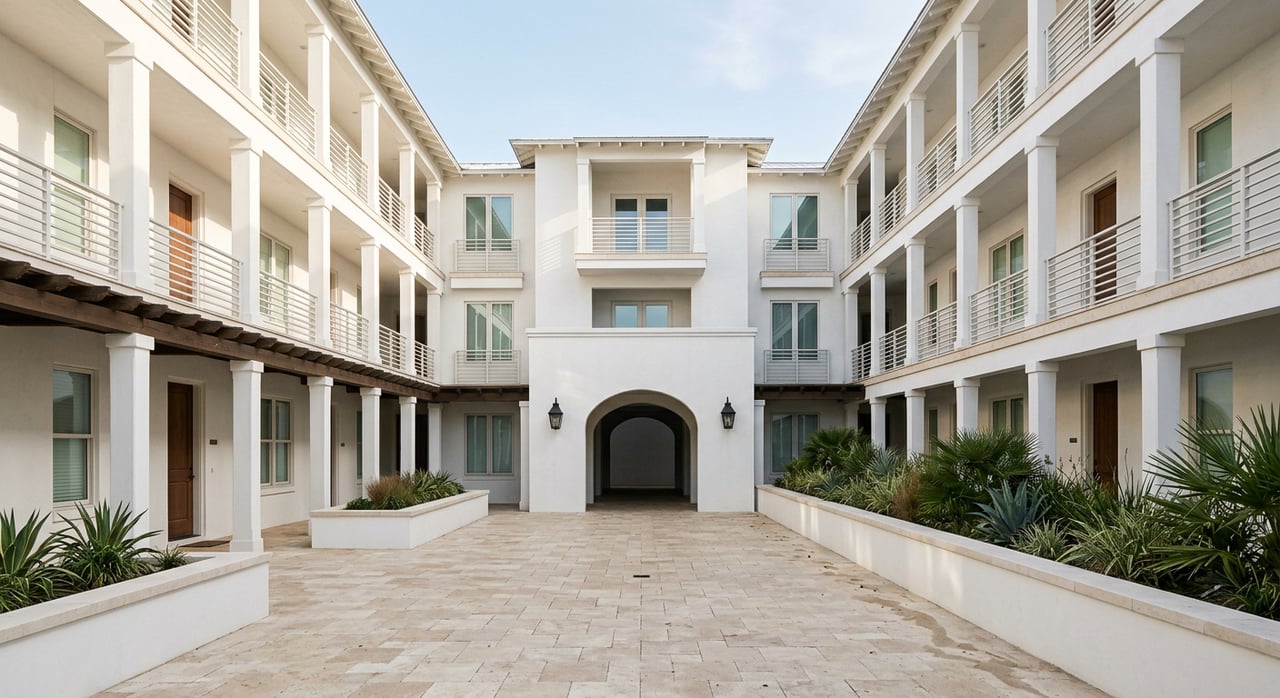
Condos in Sandestin range widely by location, building, and view. Smaller inland units commonly list around the mid-$400,000s, while gulf-front towers with higher floors and direct views often reach $1 million or more. Building age, amenities, and proximity to the beach or Baytowne Wharf shape the spread.
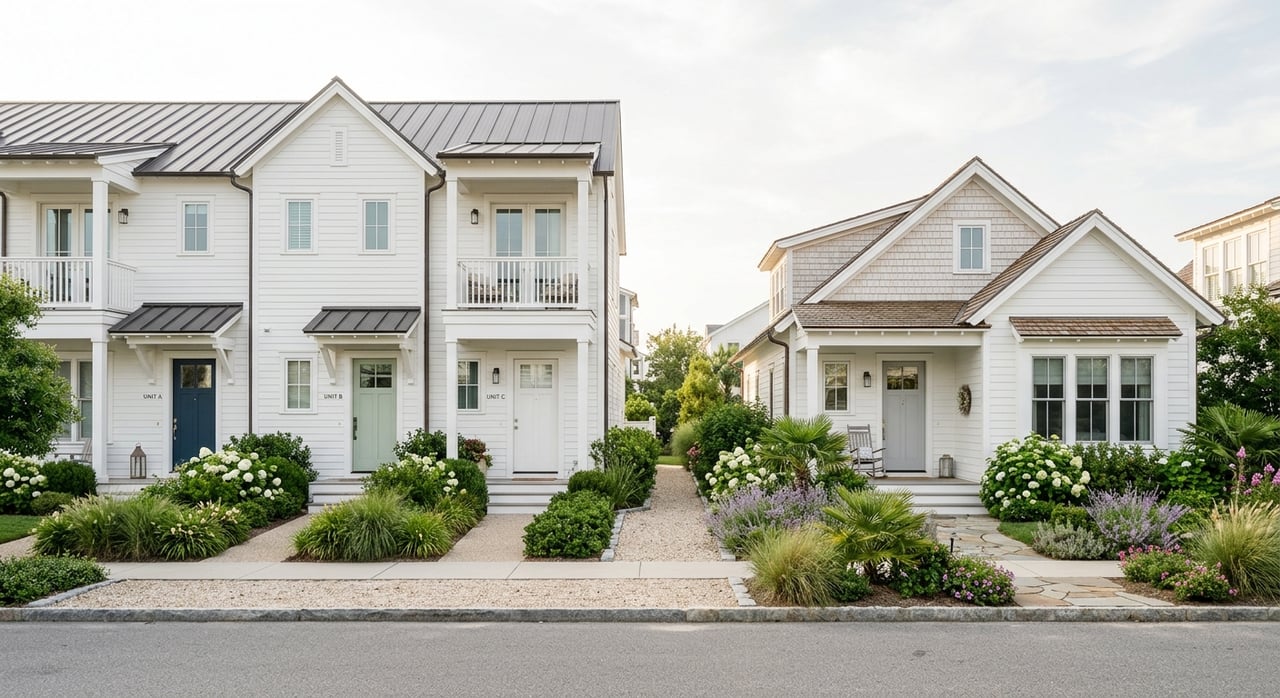
Townhomes and single-family homes inside Sandestin and nearby enclaves often start in the mid-$500,000s and run through the $700,000s for many options. Larger or waterfront homes can exceed $1 million. Homes usually carry a higher price per door than entry-level condos, but they also serve a different guest profile and can attract longer family stays.
Bottom line: Condos often offer a lower entry point and simpler upkeep. Homes and townhomes cost more, yet may deliver different use cases and resale appeal.
Inside Sandestin, you will usually see two fee layers:
Representative live listing data show high-rise beach condos often carry combined building HOA plus master assessments in the $800 to $1,500+ per month range. Some master assessments appear separately as a few hundred dollars per quarter. Exact coverage and amounts vary by building and neighborhood. Review the SOA responsibilities and resources directly through the Sandestin Owners Association.
What these fees usually cover:
Use this quick checklist to avoid surprises:
You can find owner resources and FAQs through the SOA member library.
Demand in Sandestin and Miramar Beach is strong yet seasonal. Short-term rental analytics show annual occupancy typically in the high 50 to low 60 percent range, with average daily rates rising into the low-to-mid $300s for many resort-area listings. Peak season runs from Memorial Day through August, while spring and early fall are solid shoulder periods. Winter is slower. You can see how seasonality plays out in the market using the Miramar Beach short-term rental dashboard.
Local managers often target 7 to 10 percent gross annual rental income relative to the purchase price as a starting benchmark before expenses. Full-service management fees commonly sit around 20 percent of gross revenue, and can be higher for premium services. Every line item matters: cleaning and linens, utilities and internet, platform fees, routine maintenance, and all association dues should be in your pro forma. Regional management guidance on fees and planning is summarized in this Emerald Coast overview.
Taxes also affect net returns. South Walton properties, including Sandestin, are subject to a 5 percent Tourist Development Tax in addition to state sales tax (6 percent) and any county discretionary surtax on transient rentals. Walton County emphasizes that owners are responsible for TDT registration, collection, and remittance. Review requirements on the Walton County Tourist Development Tax portal.
A blended approach is common in Sandestin: some owners reserve personal weeks in off-peak windows and monetize the rest via STR.
Condos generally simplify exterior maintenance. The association typically maintains the building shell, common systems, and amenities. Florida’s Condominium Act outlines association duties and insurance frameworks, which is why it is essential to read each building’s recorded declaration and budgets to understand reserves and any deferred maintenance risk. For statutory context, see Florida Statute 718.111.
Condo insurance structure matters. Associations carry a master policy, but wind and hurricane deductibles can be large. After a major storm, these deductibles can lead to special assessments for unit owners if reserves are not sufficient. Owners should carry a robust HO-6 policy with adequate personal property and loss assessment coverage. A Florida condo insurance primer that explains master policy gaps and loss assessment can help you frame the conversation with your insurer. Review this condo insurance summary.
Single-family and many townhome owners assume more direct responsibility for exteriors, roofs, and grounds unless the HOA documents assign otherwise. Insurance premiums for coastal single-family homes can be materially higher than you expect, especially with hurricane and flood coverage, and they can affect net yields.
Lenders often require a project review for condo financing. A building’s financial health, reserves, litigation, owner-occupancy mix, and commercial component can impact eligibility and pricing for conventional loans. Confirm the project’s status with your lender early to avoid surprises. Fannie Mae and Freddie Mac standards are summarized in this condo project approval guide.
Investor loans typically require larger down payments and reserves than primary-residence loans. Many lenders look for 15 to 25 percent down on non-owner-occupied purchases, with higher interest rates than primary homes. Ask about overlays specific to Florida resort condos, and get pre-approved for an investor product before you write an offer.
It depends on your goals, budget, and risk tolerance. Here is a quick framework to decide:
Choose a condo if you want:
Consider a townhome or single-family home if you want:
Key trade-offs:
The right answer for you comes down to goals, numbers, and risk. Condos can shine in beachfront towers with high STR demand. Homes and townhomes can excel with family use, flexibility, and broader resale appeal. Either way, a clear view of fees, taxes, insurance, and financing will protect your yield.
If you would like a tailored pro forma and building-by-building guidance inside Sandestin, connect with Tom Fitzpatrick for a confidential, data-forward consultation.
Specializing in 30A luxury properties, Tom offers an unparalleled level of service, marketing expertise, and personalized attention, ensuring your real estate needs are met with honesty and integrity.