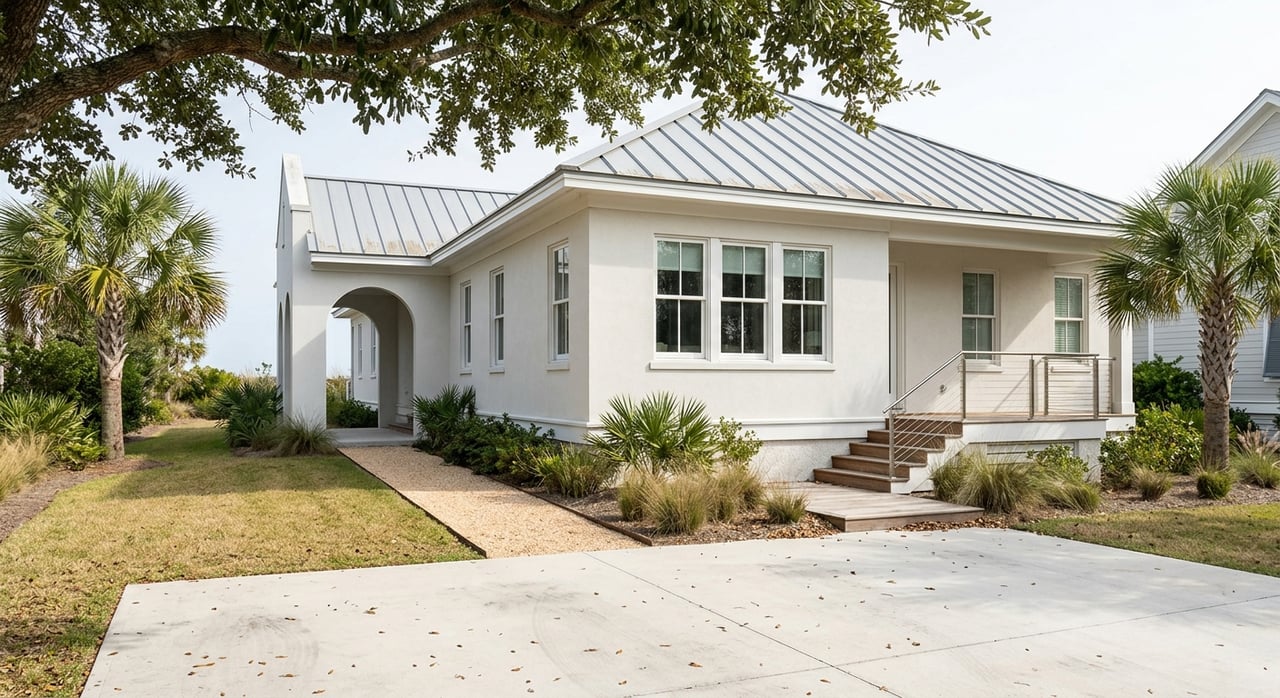
Buying in Seagrove Beach for More Space and Access
June 18, 2026
June 18, 2026
Wondering where you can find a 30A home base that feels open, connected, and easy to live in? If you love the idea of beach days, bike rides, and nearby dining, but you do not want a neighborhood that feels too uniform, Seagrove Beach deserves a closer look. For many buyers, it offers a compelling balance of classic coastal character and central access. Let’s dive in.
Seagrove is one of South Walton’s 16 neighborhood identities, and its location places you in the middle of some of 30A’s most recognized communities. It sits in the same broader cluster as WaterColor, Seaside, WaterSound, Seacrest, Alys Beach, and Rosemary Beach. That central position matters if you want to enjoy the wider 30A lifestyle without feeling locked into one highly structured setting.
Official South Walton materials describe Seagrove as a place shaped by lush oaks, magnolias, and pines, along with sugar-white sand, a state park, and two rare coastal dune lakes. In practical terms, that gives the area a more natural, layered feel. If you are drawn to scenery as much as convenience, Seagrove checks both boxes.
When buyers talk about space in Seagrove, they are often responding to the area’s overall feel rather than a published lot-size average. Public sources support the idea that Seagrove has a varied residential fabric, not a single master-planned look. That difference can shape how the neighborhood feels as you move through it.
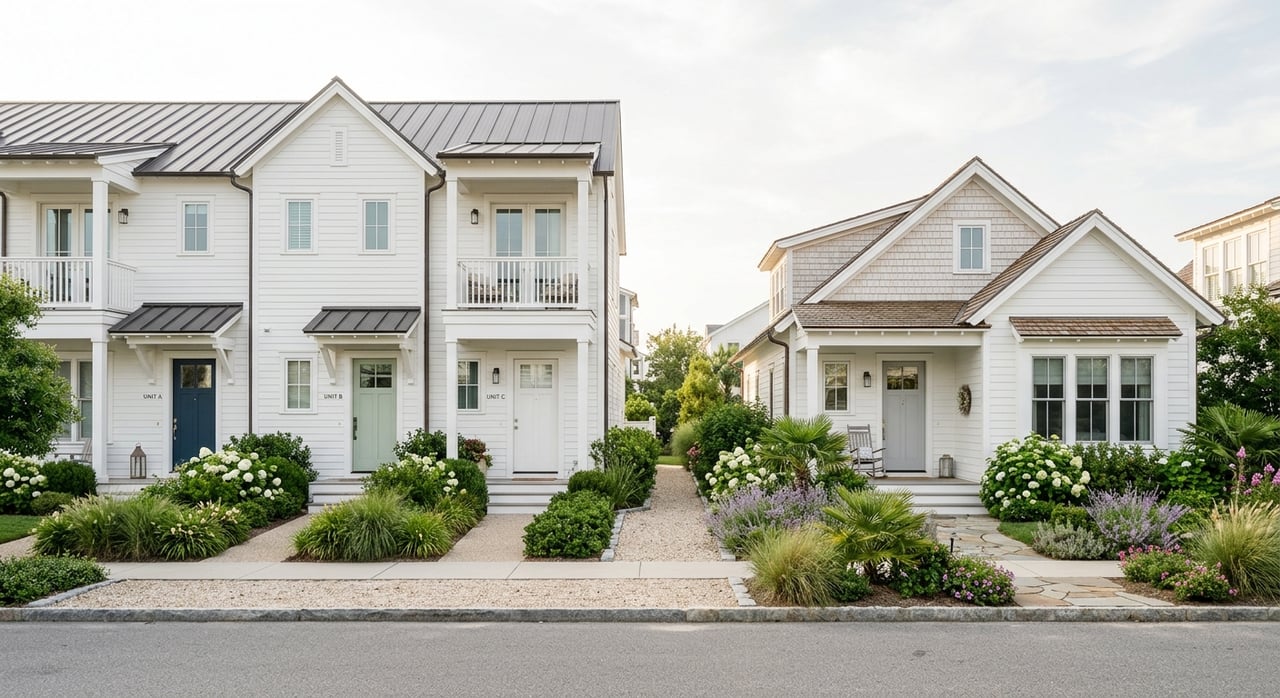
Official descriptions point to a mix of neighborhood cottages, amenity-filled suites, old beach homesteads, newer cottages, family-run businesses, upscale boutiques, and casual cafes. Visit Florida also describes Seagrove as a blend of old beach homesteads and newer cottages. For you as a buyer, that often translates to more visual variety and a less uniform streetscape.
That does not mean every home site is large, and it is smart not to assume a specific parcel size without verifying property records. Instead, the strongest takeaway is that Seagrove tends to offer a more flexible and less standardized setting than some nearby planned communities. If you value character and a little breathing room in how a neighborhood feels, that can be a real advantage.
Space is only half the story in Seagrove. The other half is access, and this is where the neighborhood becomes especially attractive for second-home buyers and lifestyle-focused purchasers.
South Walton reports more than 50 beach and bay access locations along 26 miles of shoreline. Walton County beach operations says it maintains 58 public beach access points, including nine regional accesses with parking, restrooms, and lifeguards, plus more than 60 beach, lake, and bay access points in total. That broad network supports the idea that access is one of South Walton’s defining strengths.
For Seagrove specifically, county beach-access information includes area entries such as One Seagrove Place and Santa Clara Regional Beach Access. This matters because not all access points function the same way. Neighborhood access is generally more walk-up in nature, while regional access is the category that typically includes parking and additional amenities.
If beach convenience is high on your list, it is wise to verify access by property address rather than relying on a general impression. Walton County’s address-based map is designed to help users identify the nearest county-owned beach access, state park access, or bay and lake access. That kind of address-level check can be especially useful when comparing homes for personal use or vacation-rental potential.
A great 30A location is not just about getting to the sand. It is also about how easily you can move through your day without constantly getting in the car.
The Timpoochee Trail is a 19-mile paved multi-use path that runs through 12 beach neighborhoods along Scenic Highway 30A. Official materials note that it passes recreational areas, state parks, the state forest, and 15 coastal dune lakes. Seagrove’s own neighborhood page highlights biking the trail as a key part of the local experience.
For buyers, that means Seagrove offers access not only to the beach but also to a broader rhythm of daily life along 30A. A morning ride, a casual lunch stop, or an afternoon loop through nearby communities can all become part of how you use the area. That kind of connected living often adds value beyond what you see in a property photo.
Some neighborhoods are pleasant in theory but less practical once you are there for more than a long weekend. Seagrove benefits from having recognizable, long-running local businesses that support a more grounded day-to-day experience.
Its public neighborhood profile highlights Café Thirty-A as a local tradition. It also notes that Seagrove Village Market Café has been part of the community since 1949. Those details matter because they reinforce that Seagrove is not only about scenery or proximity. It also has an established small-business character that many buyers appreciate.
If you are looking for a second home, this can make ownership feel easier and more repeatable. Familiar dining spots and neighborhood-serving businesses help turn a destination into a place you can return to comfortably, season after season.
If you are choosing among central 30A locations, it helps to understand where Seagrove fits in relation to nearby options. The best way to think about it is as a flexible middle ground.
Seaside describes itself as the world’s first New Urbanist town, built to support walkability and community life, with more than 300 homes, restaurants, shops, and galleries. WaterColor is described by Visit Florida as a nearly 500-acre beach town blending restaurants, shops, cottages, resorts, and easy bike and walk access. Both are highly recognizable communities with cohesive identities.
By contrast, Seagrove is best understood as less uniformly planned than Seaside and less resort-structured than WaterColor, while still being close to the same central 30A dining, trail, and beach network. That does not make it better or worse. It simply makes it a strong fit for buyers who want access to the 30A experience with a bit more variety in the setting.
Seagrove can appeal to different buyer goals, but it tends to stand out for a few specific priorities.
You may want to focus on Seagrove if you are looking for:
For buyers who value a classic coastal feel with access-rich living, Seagrove offers a clear and well-supported case.
Because Seagrove’s appeal is often tied to feel and location, the smartest buying process is one that verifies the details that matter most to you. A home that looks ideal online may function very differently depending on its precise address and surroundings.
As you narrow your options, pay close attention to:
That kind of block-by-block evaluation is especially important in a place like Seagrove, where variety is part of the draw. The right guidance can help you match a specific property to the way you actually want to use it.
Seagrove is easy to appreciate because it offers a combination that can be hard to find on 30A. You get a central location, beach and trail connectivity, long-standing local character, and a more varied neighborhood fabric than some adjacent communities. For many buyers, that blend creates the sense of both space and access they want from a coastal purchase.
If that sounds like the kind of 30A lifestyle you are after, a focused search can help you identify which part of Seagrove best fits your goals. For tailored guidance on Seagrove and the broader 30A market, connect with Tom Fitzpatrick.
Specializing in 30A luxury properties, Tom offers an unparalleled level of service, marketing expertise, and personalized attention, ensuring your real estate needs are met with honesty and integrity.