Navigating Flood Insurance & Risk for Destin Investing
October 16, 2025
October 16, 2025
You know Destin’s rental demand is strong, but the Gulf can turn fast. Between storm surge, shifting maps, and new pricing rules, flood risk is a key line item that can make or break returns. With the right due diligence and policy choices, you can protect cash flow and keep closings on track. This guide gives you clear steps to read the maps, compare coverage, and lower risk before you invest. Let’s dive in.
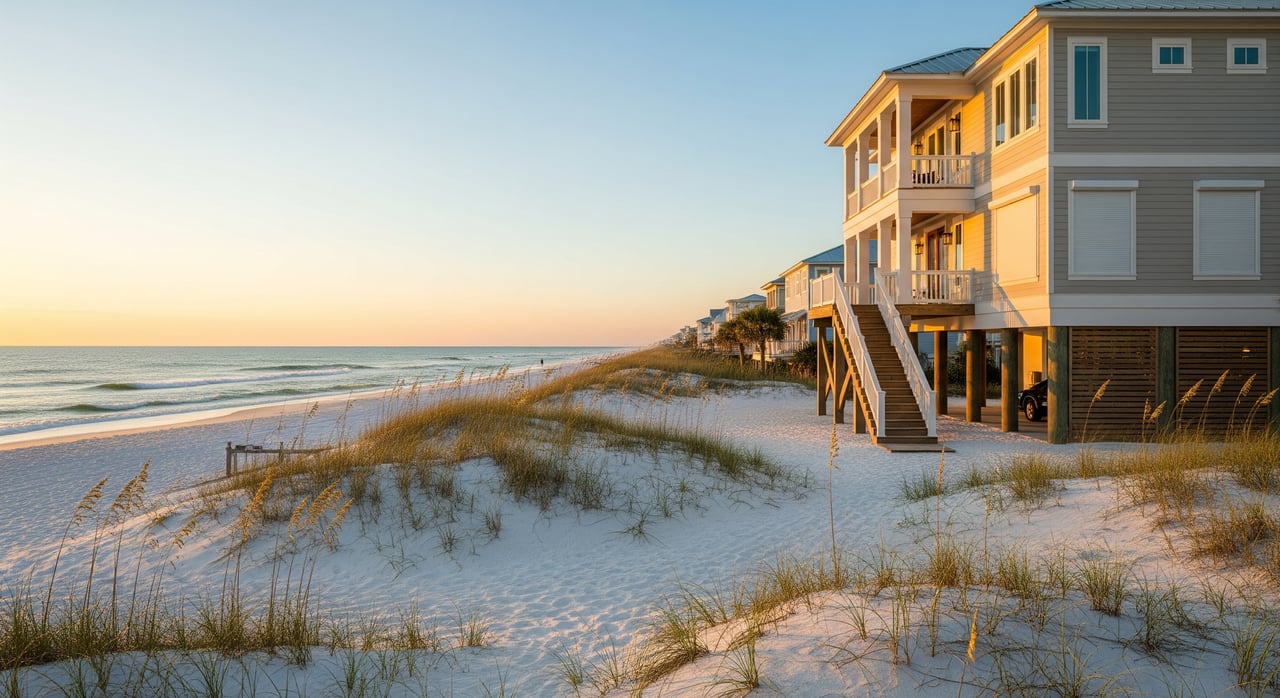
Destin’s primary hazard is coastal storm surge from tropical systems. Over time, sea level rise and beach erosion can increase exposure along the shoreline and inlet areas. To visualize future water levels across parcels, screen scenarios in the NOAA Sea Level Rise Viewer. Beach projects can reduce erosion locally, but they do not remove the need for flood coverage.
FEMA Flood Insurance Rate Maps show Special Flood Hazard Areas, coastal velocity zones, and the Base Flood Elevation. These maps still guide lender requirements and local permitting. Check your parcel’s flood zone and BFE using the City’s flood information and map resources on the City of Destin Flood Information page.
The National Flood Insurance Program offers standard policies for homes, commercial buildings, contents, and condominiums. Typical limits include up to $250,000 for a single-family dwelling and $100,000 for contents, with higher limits available for commercial buildings and contents. Policies cover direct physical flood damage to the structure and covered contents. NFIP policies do not cover loss of rental income, landscaping, or most items outside the structure. Review terms and waiting periods on FloodSmart’s policy overview.
Most NFIP policies have a 30‑day waiting period. There are exceptions for loans tied to a closing, policy changes on renewal, or certain new map scenarios. Plan policy effective dates alongside your financing timeline.
FEMA’s Risk Rating 2.0 prices each property on factors like elevation relative to water, distance to flood sources, replacement cost, and flood frequency. The City’s Community Rating System (CRS) discount still applies at the community level. Some properties saw decreases, while many higher‑risk coastal and higher‑value assets saw increases with caps that phase in over time. Expect quotes to be property specific under FEMA’s Risk Rating 2.0.
Florida’s private flood market has grown, with carriers offering higher limits, optional replacement‑cost contents, and sometimes business‑income endorsements. Terms and pricing vary by carrier, so compare coverage scope, exclusions, deductibles, and waiting periods carefully. Market expansion is detailed in this industry overview.
Lenders can accept qualifying private flood policies for many federally regulated loans, including FHA in defined cases. Standards must be met for coverage amount and policy language, so secure lender approval in writing before closing. See guidance on acceptance in this summary of federal rules.
Many Destin condominiums carry an NFIP Residential Condominium Building Association Policy that insures the building and association property. Unit owners may still need a separate policy for personal contents or to meet lender requirements if the master limits fall short. Verify the association’s coverage and any supplemental needs using this RCBAP explainer.
The City of Destin participates in FEMA’s CRS program. The City has reported a Class 6 in recent years, which equates to about a 20 percent premium discount for NFIP policies in SFHAs. Okaloosa County has reported a Class 5 for unincorporated areas, about a 25 percent discount. Confirm the current class and your parcel’s jurisdiction on the City of Destin Flood Information page and the County’s planning pages at MyOkaloosa.
Local mitigation work, like beach nourishment, dune projects, and drainage improvements, can reduce erosion and improve resilience. These efforts can help communities maintain CRS credits. They do not eliminate storm surge risk, so insurance remains essential.
If you operate a short‑term rental, confirm that your property and liability policies permit guest stays. Verify whether your flood policy covers business interruption. NFIP generally excludes loss of rental income, so you may need private flood or an endorsement to protect cash flow.
In Destin, flood risk is manageable with good information and a plan. Target properties with favorable elevations or budget for mitigation at acquisition. Price policies early, align them with lender requirements, and fill gaps that matter for rental operations. Finally, track local mitigation projects and CRS updates that can support long‑term insurance affordability.
Ready to build your Destin strategy with confidence? For parcel‑level screening, insurance strategy that fits your lender, and access to on and off‑market coastal opportunities, connect with Tom Fitzpatrick.





Specializing in 30A luxury properties, Tom offers an unparalleled level of service, marketing expertise, and personalized attention, ensuring your real estate needs are met with honesty and integrity.