Buying A Vacation Rental In Seagrove: What To Expect
February 26, 2026
February 26, 2026
Thinking about offsetting your beach time with steady rental income in Seagrove? You are not alone. This stretch of 30A draws loyal visitors, strong summer rates, and buyers who want both lifestyle and returns. In this guide, you will see how the season works, what rules and taxes apply, how HOAs and the Old Seagrove plan can shape your options, what risks to underwrite, and a simple way to run the numbers. Let’s dive in.
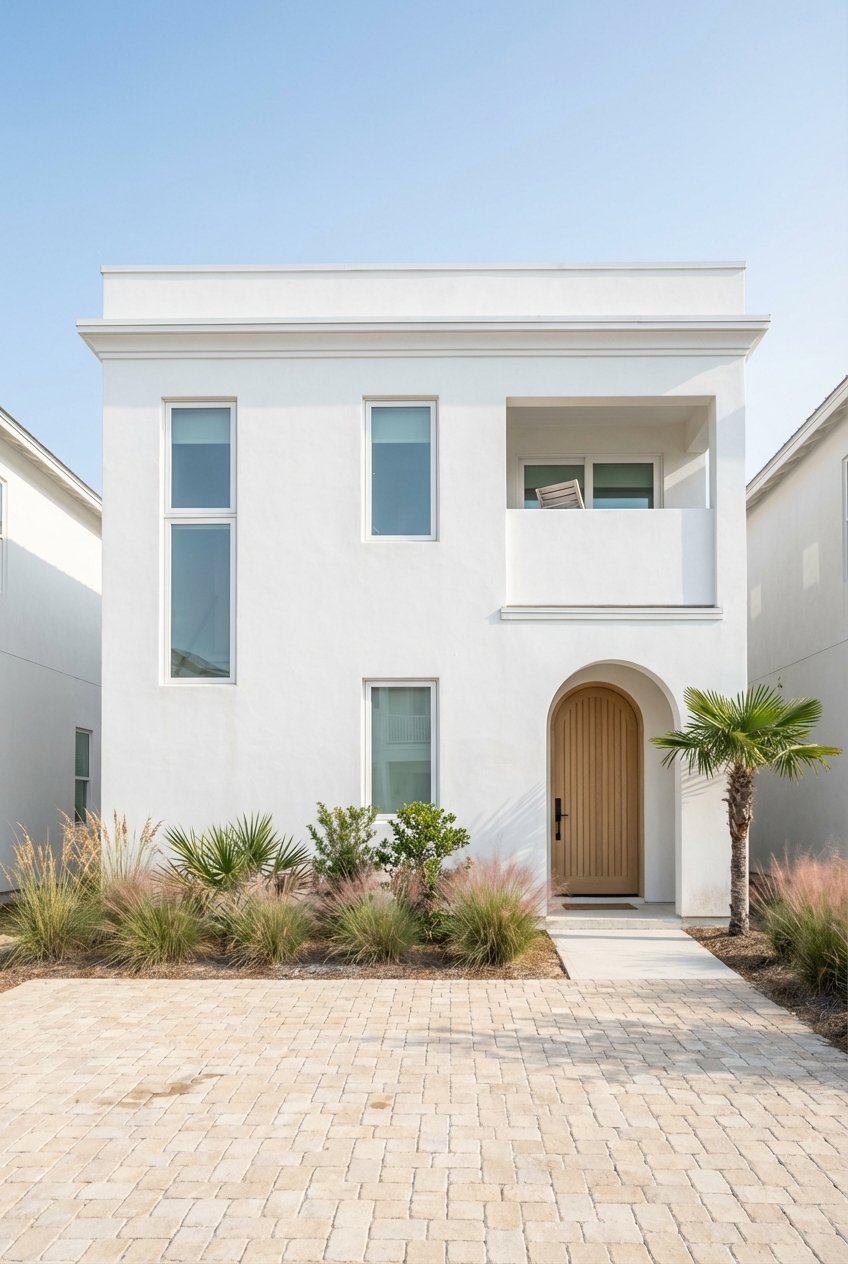
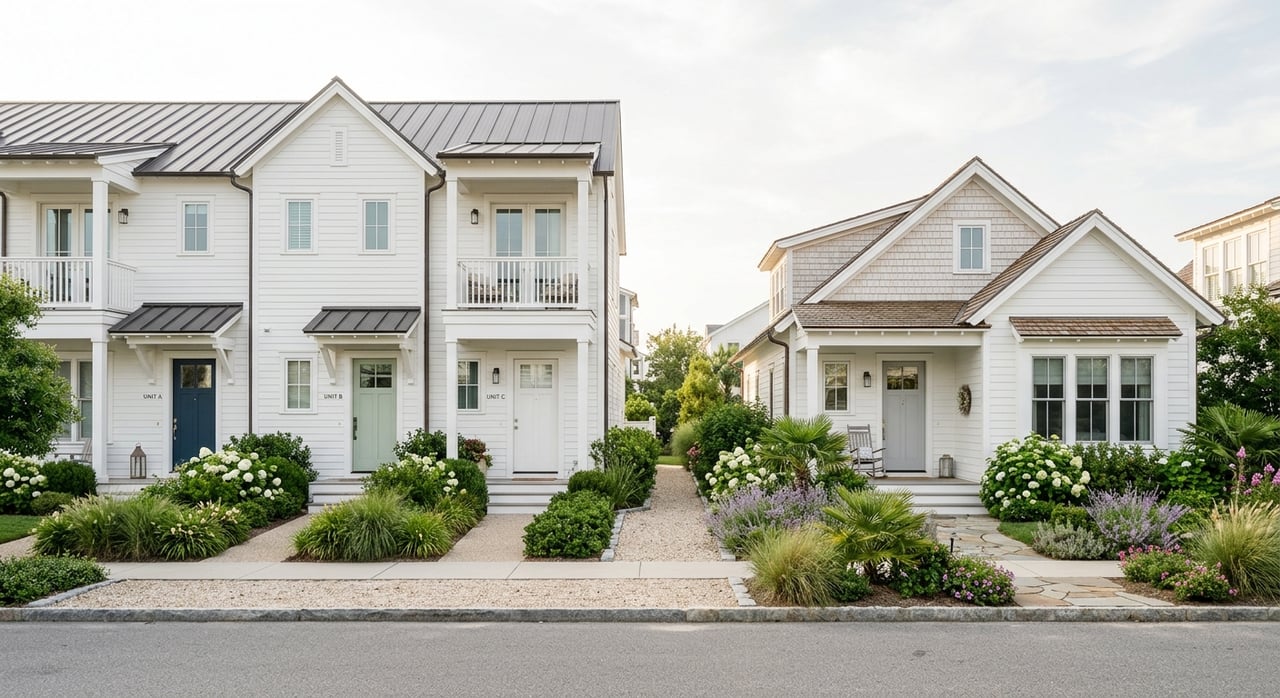
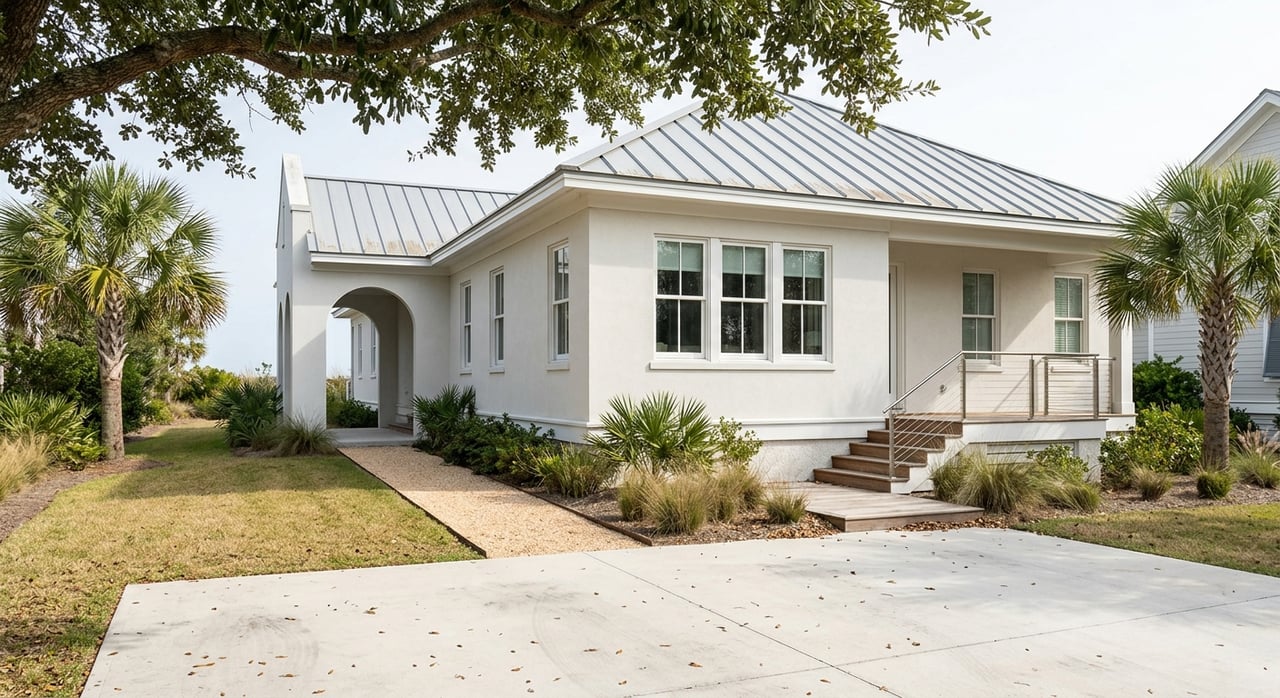
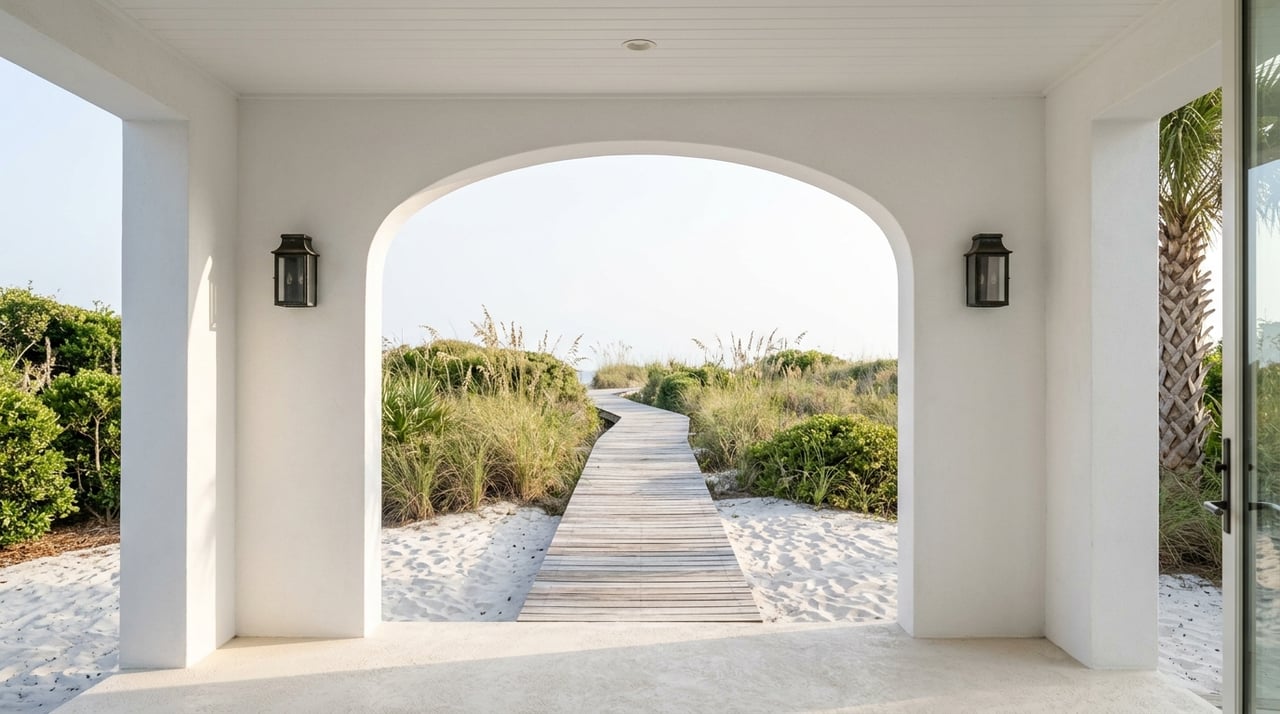
Seagrove sits between Seaside and Watersound with a blend of classic cottages, low-rise condos, and newer coastal homes. Gulf-front and walk-to-beach homes earn the highest nightly rates. Condos and homes a bit inland often deliver stronger percentage yields because of lower purchase prices. When comparing properties, verify beach access details and proximity rather than relying on broad 30A averages.
30A runs on a clear seasonal curve that you can plan for. Spring break and late May through August are peak months with higher nightly rates and longer minimum stays. Fall and late spring bring healthy weekend demand and event weeks. Winter is the slowest, yet snowbirds and regional weekend trips keep some bookings on the calendar. Local operator writeups for 30A emphasize tight peak-season booking windows and steep rate swings, which you can use to shape pricing and owner-use weeks. See these insights in a practical context in this guide to short-term rental seasonality and ROI on 30A.
Here is a quick illustration. Assume a well-presented Seagrove home achieves an average nightly rate of $600 and 45% annual occupancy. That produces a RevPAR of $270 and about $98,550 in gross revenue per year. Now subtract typical expenses: management fee, cleaning and turnover, insurance, taxes, HOA dues or utilities, maintenance, and reserves. In many cases, that leaves an estimated net operating income around $40,000 to $50,000 before debt service. This is only a model. Use address-level comps and actual statements to set your inputs.
Gather property-specific data before you make assumptions:
Walton County requires annual registration to operate a short-term vacation rental. The county outlines the process, required affidavits, inspection items, and penalties for noncompliance. Sample fees on the county site show an initial or annual registration around $300 per property, plus potential modification and inspection fees. Always confirm the current amounts and renewal dates on the county portal. See the full details on the Walton County Vacation Rental Registration Program.
Florida treats most short-term rentals as transient public lodging, which triggers a state license through the Division of Hotels and Restaurants. License types vary by home or condo classification. Many listings must display the state license number in advertising. Build application timing and any inspection steps into your closing plan. Start with the DBPR vacation rental licensing guide.
In South Walton ZIP codes that include Seagrove, the county Tourist Development Tax is 5% and applies in addition to state sales tax and any local surtax. Walton County notes that booking platforms are not contracted to remit the county TDT on your behalf, so you must collect and remit correctly. Review district rates and owner responsibilities on the Walton County Tourist Development Tax page.
Neighborhood rules can be as important as county law. The Old Seagrove Neighborhood Plan set tighter building setbacks, reduced heights, tree protections, and limits on bedrooms in newly constructed short-term rentals within the plan area. If you are buying a lot or a heavy remodel, confirm whether the parcel sits inside this overlay and study the adopted language. You can access the official documents on the Old Seagrove Neighborhood Plan page.
Across 30A, some communities restrict rentals or require owners to use a community program or approved managers. For example, Alys Beach has stricter rental controls than open neighborhoods. You can see how those rules frame operations in this Alys Beach legal summary. Always verify CC&Rs and any rental program requirements before you assume available nights.
Check the FEMA Flood Map Service Center for the parcel’s flood zone and request any Elevation Certificate from the seller. Lenders often require flood coverage for homes in Special Flood Hazard Areas. On the coast, you should also account for wind or wind-only policies and higher deductibles. Get firm quotes early and plug them into your pro forma. Start by pulling the map at the FEMA Flood Map Service Center. Florida’s coastal building standards and local inspections apply, which is helpful context when you price renovations.
Salt air, storms, and dune infrastructure can increase operating costs. Plan for more frequent exterior paint, corrosion checks on railings and hardware, boardwalk or dune walkover upkeep where applicable, and foundation or piling inspections after severe weather. Larger coastal homes should carry higher annual reserves than inland properties. It is smart to build a multi-year replacement schedule for roof, HVAC, appliances, and furnishings into your offer analysis.
Different 30A pockets perform differently. Address-level data is best, but here is a quick frame:
Seagrove often sits between ultra-premium enclaves and broader supply zones, which is why micro-location on the block matters so much. Use nearby comps that match product type and walkability when you set rate assumptions.
You can self-manage marketing and hire local cleaners, or you can use a full-service manager who handles bookings, 24-hour guest support, housekeeping, and maintenance coordination. On Florida coasts, full-service commissions commonly range from the low 20s percent to around 40 percent, depending on what is included and how pass-through costs are handled. See how fee structures are discussed in this overview of vacation rental management in the region: management fee ranges explained.
Use this quick list to keep your diligence tight:
Buying in Seagrove can deliver both a relaxed 30A lifestyle and a reliable income stream. The key is to get precise on micro-location, confirm the rules early, and underwrite with address-level data and real operating costs. If you want a tailored search, private opportunities, or a second set of eyes on your underwriting, connect with Tom Fitzpatrick for discreet, data-driven guidance along 30A.




Specializing in 30A luxury properties, Tom offers an unparalleled level of service, marketing expertise, and personalized attention, ensuring your real estate needs are met with honesty and integrity.