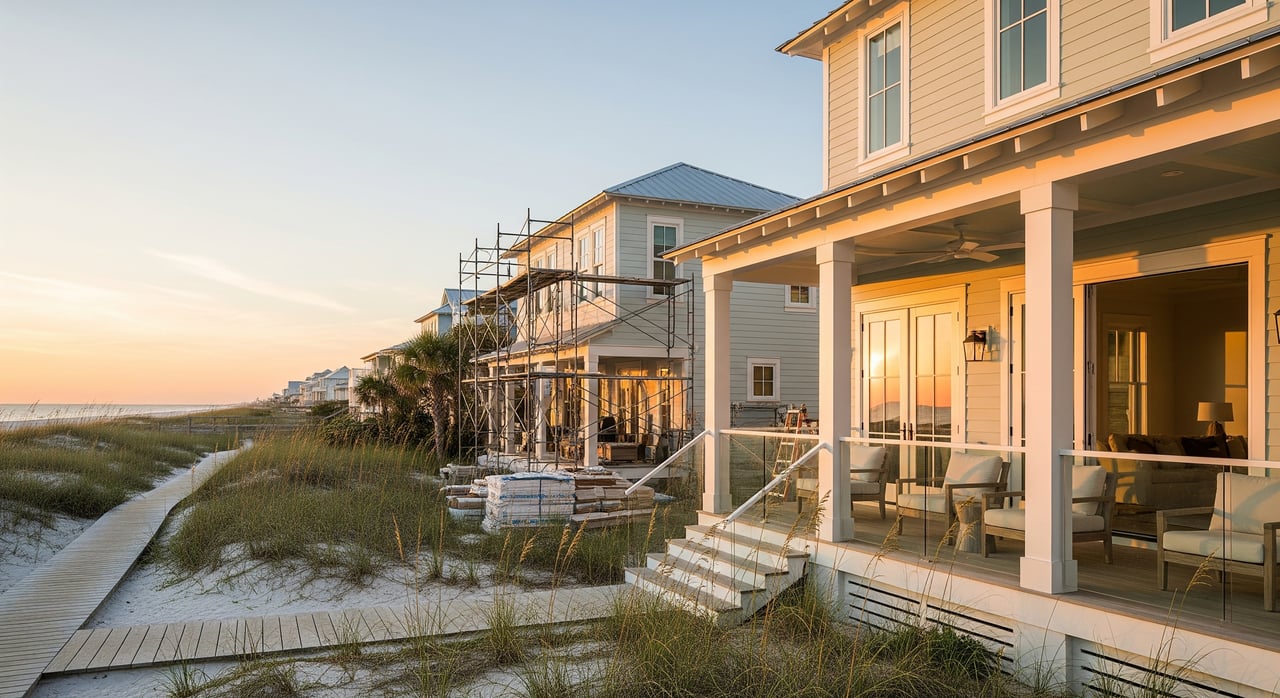
Turnkey vs Fixer-Upper on 30A: Cost and Timing
January 8, 2026
January 8, 2026
Are you weighing a turnkey home against a fixer-upper in Seaside on 30A and wondering which path really serves your goals? You are not alone. In a high-demand coastal market where timing, permits, and insurance can change your budget in an instant, the right choice comes down to cost, time, and risk tolerance. This guide gives you a clear, local framework to compare both options so you can move forward with confidence. Let’s dive in.
Seaside sits within a premium stretch of 30A where demand from second-home owners, vacation-rental investors, and lifestyle buyers is strong. That mix drives pricing and competition for well-located, well-built homes. You also see the impact of coastal construction standards, flood considerations, and hurricane resilience on both purchase price and renovation scope. Those elements influence whether a turnkey premium or a renovation project makes better sense for you.
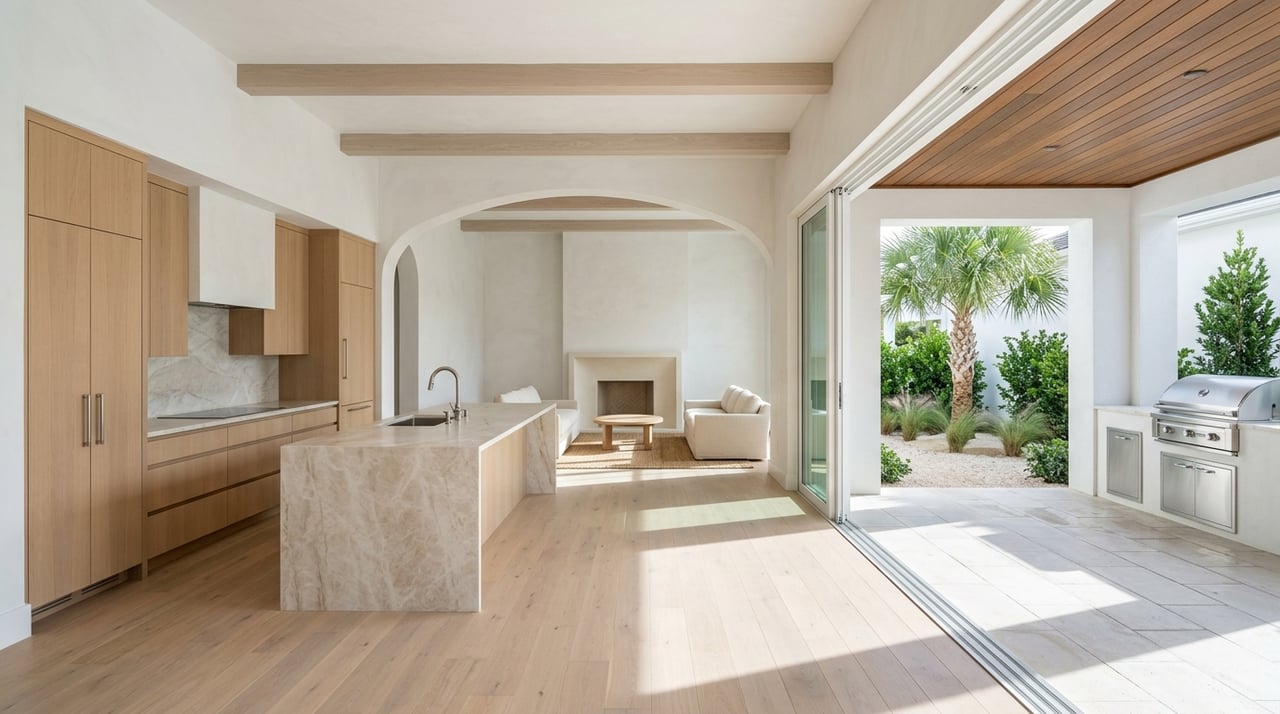
Turnkey homes often trade at a premium because you get convenience, faster occupancy, and for investors, immediate rental income. Fixer-uppers can come with a lower entry price and room to add value, but you take on project risk, carrying costs, and potential delays. Your personal situation and timeline will tip the scales.
In Seaside and similar 30A enclaves, turnkey properties typically command higher prices than comparable homes that need work. Buyers pay for reduced risk, immediate use, and in many cases, the ability to list for short-term rental without delay. To quantify the premium for a specific property, compare recent sold comps in the same neighborhood, adjusted for condition and features.
Coastal rules and materials can raise renovation costs compared with inland markets. Typical scope categories:
Practical ranges are broad and project specific. As general guidance, cosmetic can be under $30,000, mid-level can run about $50,000 to $200,000, and major structural can exceed $200,000. Always obtain multiple local contractor bids before you commit. Coastal modifiers like impact-rated windows and doors, corrosion-resistant materials, and Florida Building Code coastal provisions can materially increase costs.
During a renovation, you still carry mortgage payments, taxes, insurance, HOA dues, and utilities. For rental investors, the largest soft cost is usually lost rental income while the property is offline. Compare projected rental revenue for the same period against your planned downtime. Include a contingency for delays that could push you into a prime season.
If you plan to flip after improvements, include closing costs, agent commissions, staging, and marketing. Timing matters. Longer days to market can elevate costs and reduce returns.
These estimates are baselines. Coastal code compliance, material lead times, specialty trades, and corrections from inspections can extend timelines.
Most structural, roof, electrical, plumbing, and mechanical work will require county permits and inspections. If your project is near coastal regulation lines, expect additional scrutiny and specialized permits. Many Seaside properties are subject to HOA covenants or a design review process that must approve your plans before work starts. Build permit review and HOA timelines into your schedule, since they can add weeks or months depending on project complexity.
Contractors on 30A are often booked ahead of peak spring and summer seasons. That can lengthen start dates and push delivery timelines. Off-season, particularly late fall and winter, can be a better window to launch projects. Even then, permitting and weather remain factors. Budget for a realistic start date, not the earliest theoretical one.
Hurricane season runs roughly June through November and can pause work, complicate delivery schedules, and affect insurance requirements. Some lenders and insurers will require wind-mitigation upgrades or specific reinforcements before occupancy or refinancing.
Confirm eligibility and appraisal expectations with your lender before you write an offer. That step can prevent costly surprises.
Many Seaside properties sit within mapped flood zones. If you have a mortgage and your property is in a Special Flood Hazard Area, flood insurance is typically required. In addition, expect wind or hurricane coverage requirements and windstorm deductibles in Florida. If you plan to renovate, you may need builder’s risk or course-of-construction coverage. Insurance premiums can meaningfully change your monthly carrying costs, so obtain quotes early in your analysis.
If you intend to rent, confirm any local licensing, occupancy limits, noise standards, and operational rules that apply to short-term rentals. State and county transient rental taxes apply and must be collected and remitted. Build compliance and tax handling into your pro forma.
Use a simple model to compare paths:
Changes in schedule can move the needle. Missing a peak rental season can materially reduce first-year returns, so model best case and conservative timelines.
Some investors use a rule of thumb to avoid paying more than roughly 70 to 80 percent of the after-repair value minus renovation costs for flips. Treat this as a starting point, not a rule. For owner-occupants, your lifestyle and long-term enjoyment may justify paying more than a pure investment model suggests.
A turnkey home in Seaside can offer speed, simplicity, and income on day one. A fixer-upper can unlock value if you are comfortable with coastal permitting, specialized construction, and carrying costs. The right answer is the one that matches your goals, tolerance for risk, and time horizon. If you want a confidential, data-driven review of specific Seaside opportunities, connect with Tom Fitzpatrick for a tailored plan.
Specializing in 30A luxury properties, Tom offers an unparalleled level of service, marketing expertise, and personalized attention, ensuring your real estate needs are met with honesty and integrity.