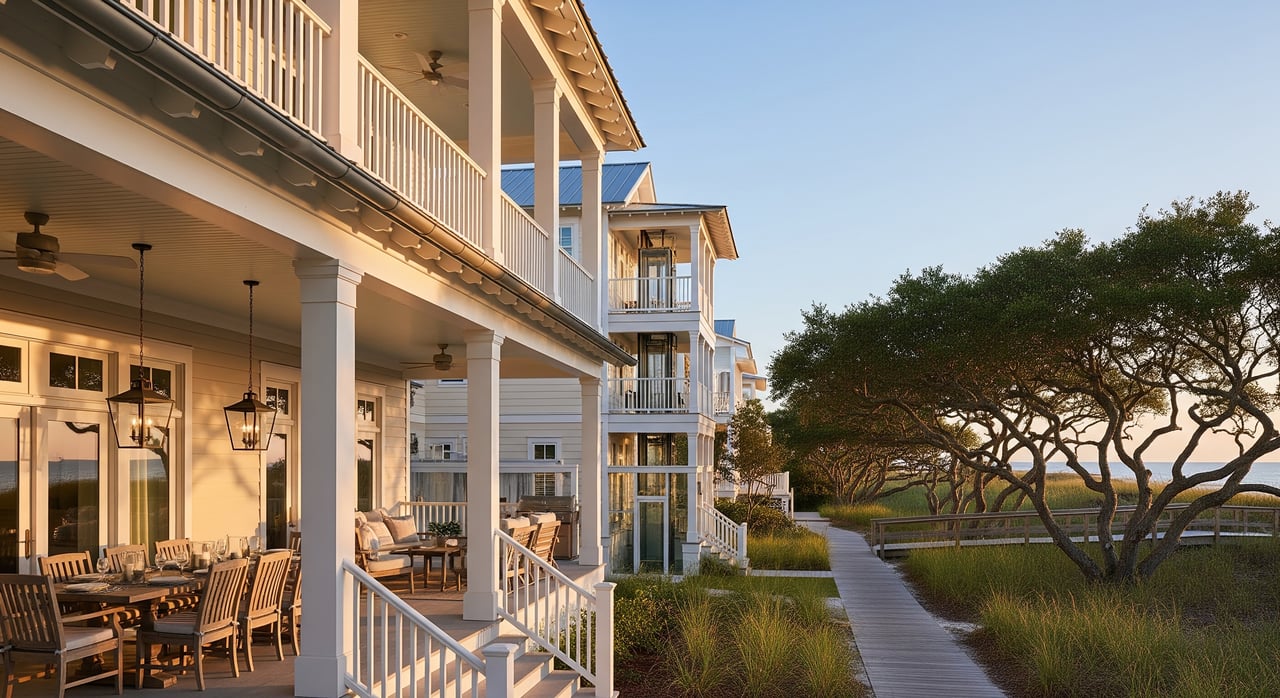
Rosemary Beach Family Lifestyle for Multi-Generational Living
February 5, 2026
February 5, 2026
What if your beach home felt like it was designed for every generation in your family, from toddlers with sand pails to grandparents who love a quiet porch? In Rosemary Beach, that is the norm. The town’s walkable streets, compact town center, and flexible home styles make it easy to gather, spread out, and enjoy simple routines together. In this guide, you’ll see how the community’s design, amenities, and housing types support multi‑generational living, plus practical tips for smooth visits and smart ownership decisions. Let’s dive in.
Rosemary Beach is a planned, pedestrian‑oriented community along Scenic Highway 30A. Short blocks, sidewalks, and a mixed‑use town center put daily needs within easy reach. You can stroll or bike to the beach, cafés, and small shops instead of piling into the car.
Residential streets feature front porches and small green strips, which invite conversation and casual play. With calm traffic and narrow streets, the setting supports strollers, wagons, and family bike rides. In peak season, expect commercial parking to fill and plan for short walks from your space.
The town’s pocket parks, landscaped alleys, and central squares give you natural gathering points. Grandparents can relax on a bench while kids play nearby, or you can hop to a neighborhood pool or recreation area within walking distance. Specific amenities vary by neighborhood and HOA, so confirm details for each property you consider.
Rosemary Beach sits on the Gulf of Mexico with foot‑friendly dune walkovers that bring you from town to sand in minutes. Summer and holiday weeks feel lively with more events and visitors, while shoulder seasons are quieter. During peak times, public paths can be busy, and some properties offer designated owner access points. Coastal management, including dune protection and erosion control, is active along 30A, so review local beach access rules for any property you are evaluating.
Mornings often start with a beach walk, a jog, or a yoga session. Midday is for sandcastles, a swim at the pool, or a nap for younger kids. Late afternoon might mean porch time or a bike ride, followed by dinner in the town center and a casual evening stroll. In peak season, outdoor concerts and movie nights add simple, shared fun.
Children and teens gravitate to the beach, bike rides, and community playgrounds. Seasonal outfitters offer paddleboarding and kayaking for confident swimmers, and nearby state parks create easy nature outings. Many 30A towns host summer programs and family events in busier months, so check community calendars when planning your stay.
For low‑key days, cafés, quiet greens, and shaded porches set the tone. You can find fitness classes such as yoga and Pilates, plus recreational options like tennis and pool swimming. Summer months often bring small live‑music events and cultural programming that are easy to access on foot.
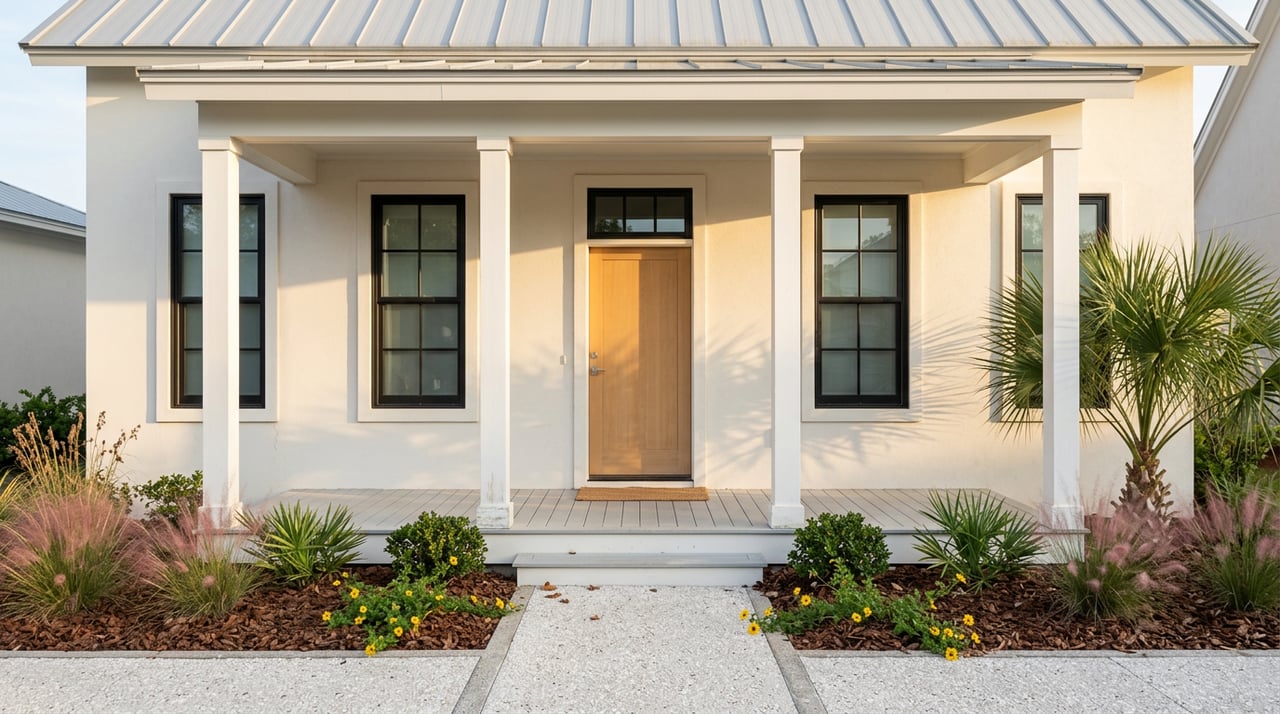
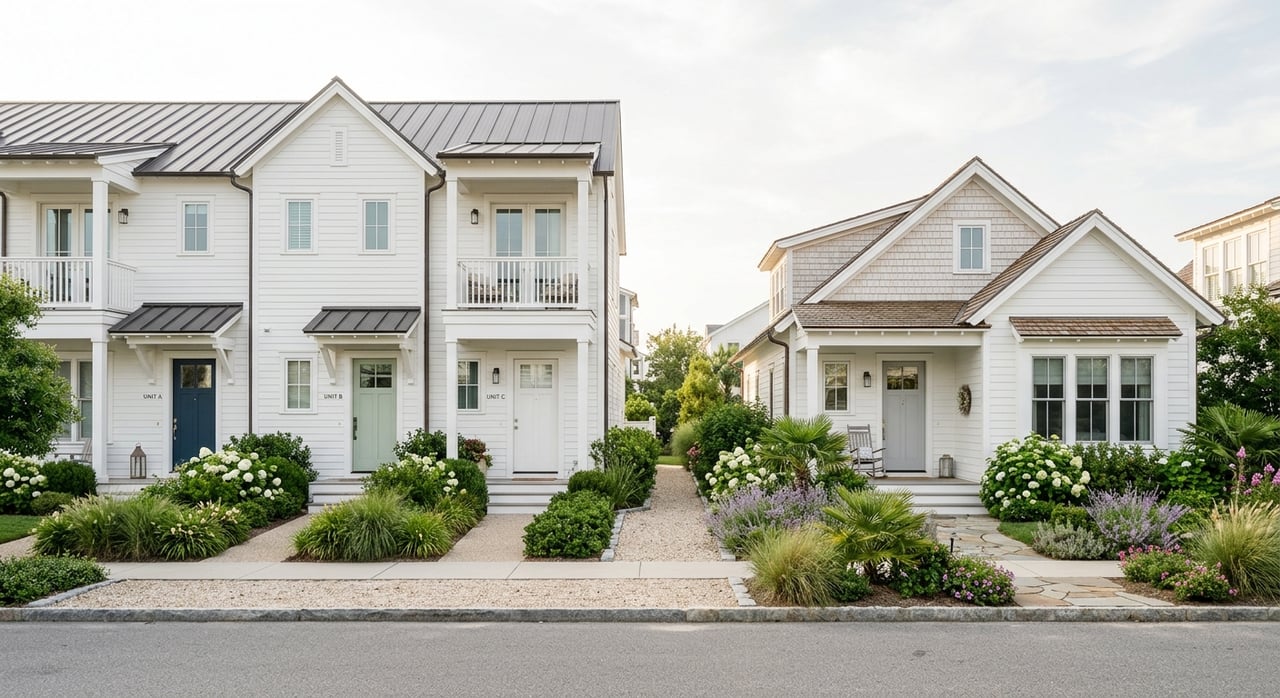
You will see vertical cottages and townhomes with porches and small yards, which are classic to the village pattern. Condos and low‑rise units often deliver single‑level living and simpler maintenance, which can work well for older relatives. Larger homes designed for vacation stays frequently include multiple bedrooms and suite‑style layouts that accommodate extended families.
Look for homes that blend communal areas with separate retreats. Secondary living rooms and carriage houses let early risers and late sleepers coexist without friction. If you plan to host multiple families at once, a layout with split bedroom wings or stacked suites can make all the difference.
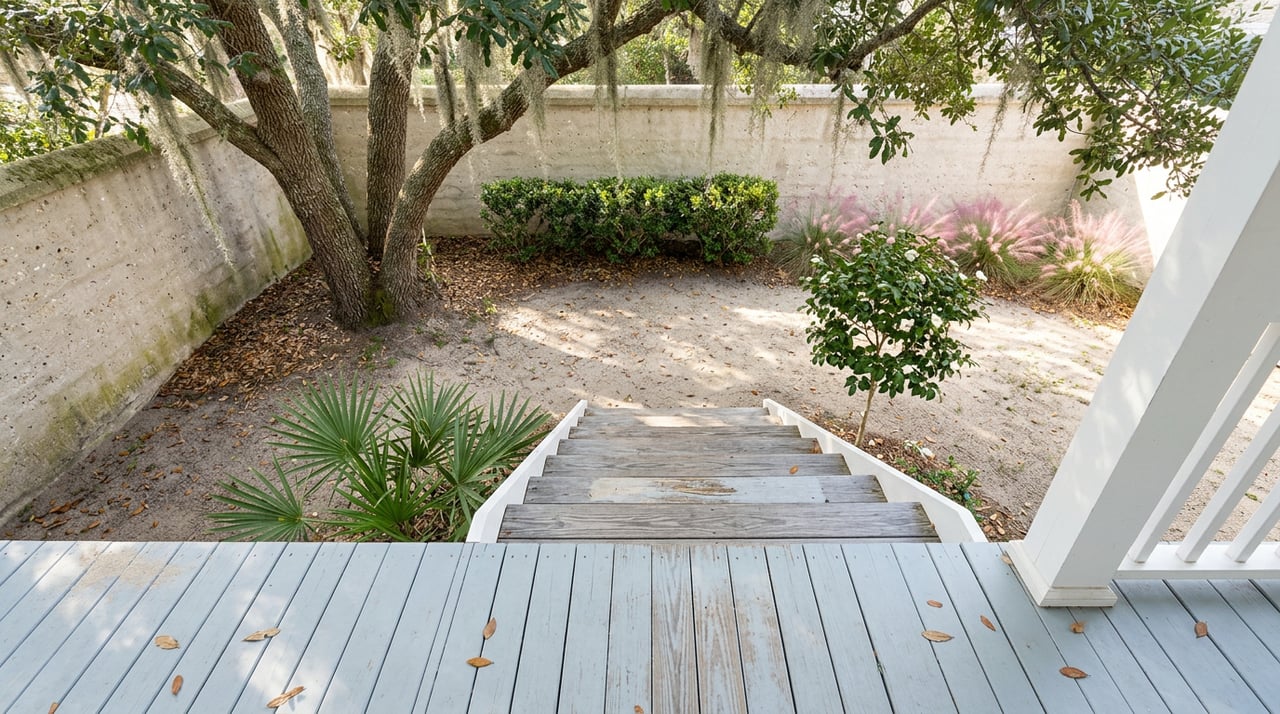
Many Rosemary Beach cottages and townhomes are multilevel. Elevators, single‑level condos, or ground‑floor suites are not universal, so verify accessibility features before you buy. If mobility is a concern, make an explicit checklist that includes sleeping on one level, walk‑in showers, and minimal steps at entries.
Rosemary Beach and nearby 30A communities experience strong short‑term rental demand in high season. Rental income can offset carrying costs, but you will need property management for cleaning, check‑ins, and maintenance. Decide your family’s peak owner‑use weeks in advance, especially summer and holidays, to protect the dates you value most.
Many homes sit within HOAs that set design standards and rules for rentals, occupancy, noise, and amenity use. Review the covenants for any property you are considering, and confirm whether carriage houses, guest suites, or certain accessibility updates are permitted. Clear rules can preserve neighborhood character and help you plan for multi‑generational visits.
Regional air access includes Destin–Fort Walton Beach and Northwest Florida Beaches International. Drive times vary based on traffic and the exact location of your property. Within town, you can walk or bike for most errands, while a car helps with bigger grocery runs and exploring neighboring 30A communities.
Narrow streets and limited on‑site parking mean you should plan for guest vehicles. Confirm driveway capacity and on‑street options, and create a simple arrival plan for staggered check‑ins. In high season, expect fuller lots near the town center, so encourage your group to walk or bike when possible.
The town center offers walkable restaurants and cafés, which can be busy in summer. For larger grocery runs or specialty items, plan trips to nearby stores along 30A or in larger surrounding cities. A shared family calendar for meal planning and delivery times keeps multi‑household visits stress free.
Late spring through summer and major holidays bring the most activity on 30A. If you prefer a quieter stay, consider shoulder seasons and winter months. Events, markets, and pop‑up programming are more frequent in peak months, so check calendars when choosing your travel dates.
The Gulf Coast hurricane season runs from June through November. If you own a home, build a storm plan that covers shutters, outdoor furniture, vehicle placement, and communication with your management team. During an active event, follow Walton County evacuation guidance and plan logistics for larger family groups.
Coastal properties may sit in FEMA flood zones. Before you buy, review flood maps, elevation certificates when available, and obtain quotes for windstorm and flood insurance. Factor premiums and deductibles into your total cost of ownership.
Rosemary Beach is a small, resort‑style town, and major medical centers are located in larger nearby cities. Identify urgent care options and drive routes in advance, especially when hosting older relatives. Keep a simple emergency checklist that includes evacuation routes, local alerts, and contact numbers for your property manager.
If you want a coastal retreat that brings everyone together without giving up privacy, Rosemary Beach is a smart place to focus. The walkability, beach access, and flexible home options make multi‑generational living feel natural. When you are ready to explore floorplans, HOA rules, rental potential, and accessibility features, connect with Tom Fitzpatrick for discreet, high‑touch guidance on the best opportunities along 30A.
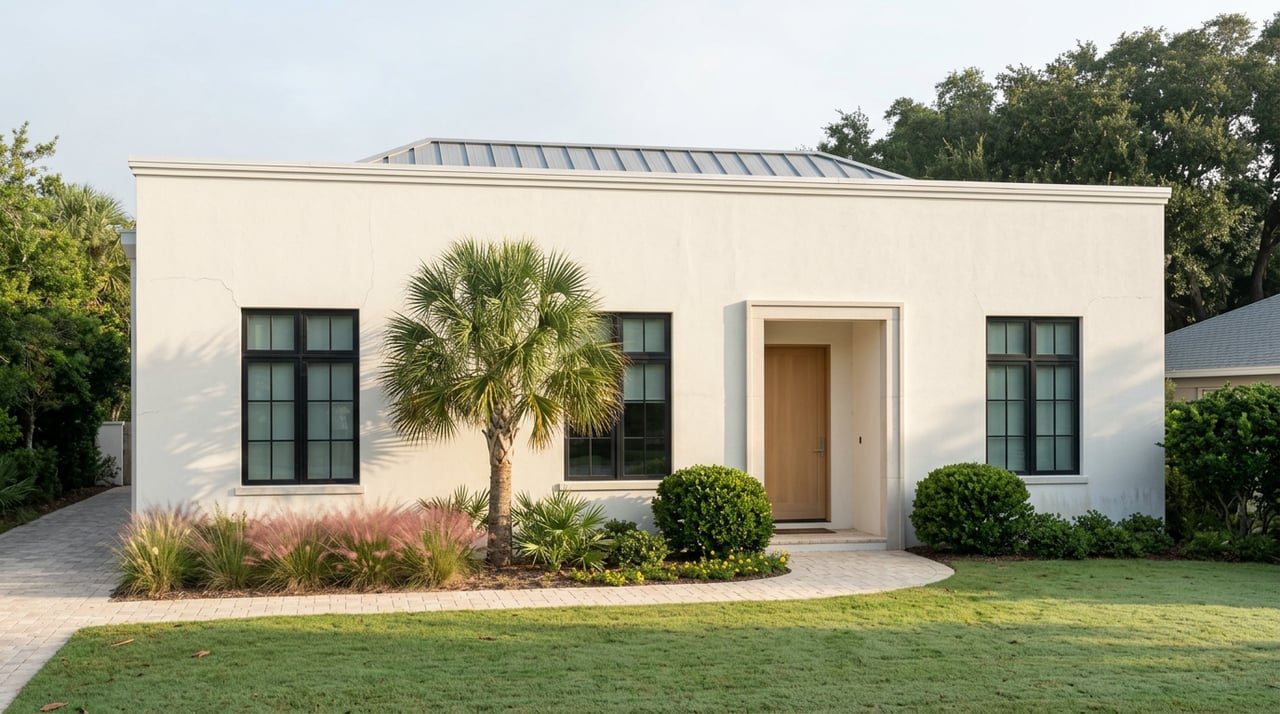
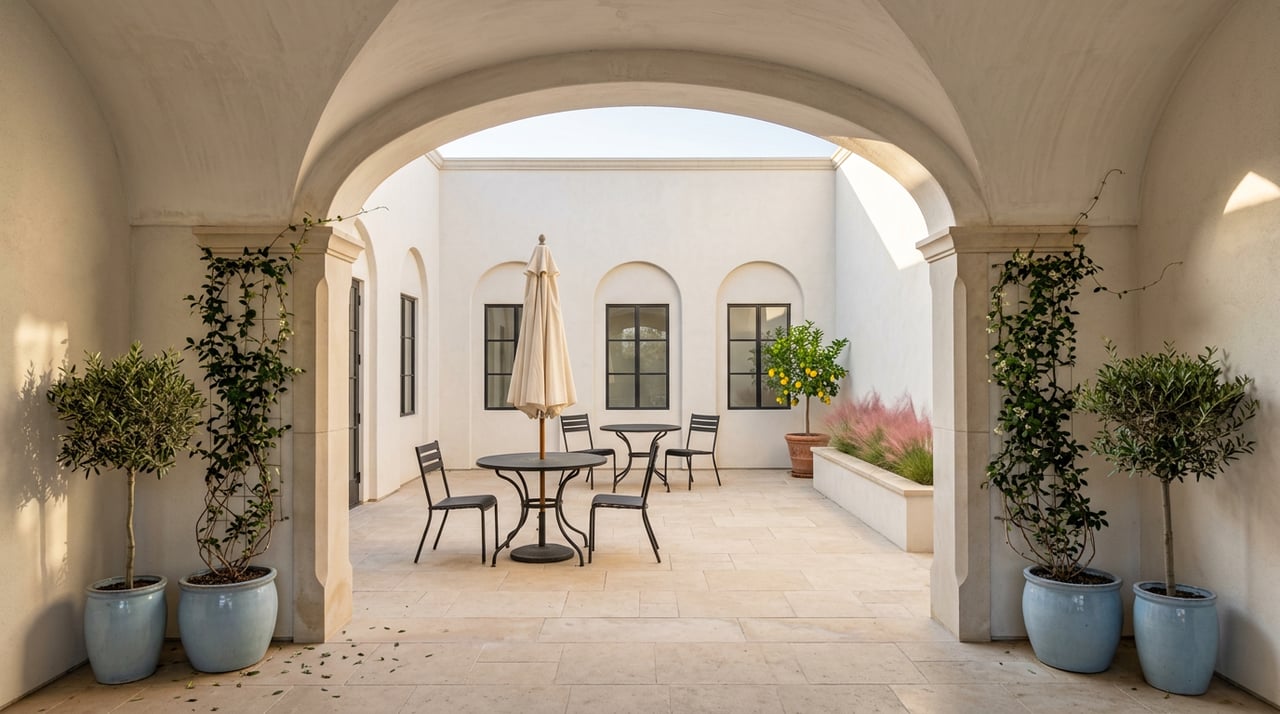
Specializing in 30A luxury properties, Tom offers an unparalleled level of service, marketing expertise, and personalized attention, ensuring your real estate needs are met with honesty and integrity.