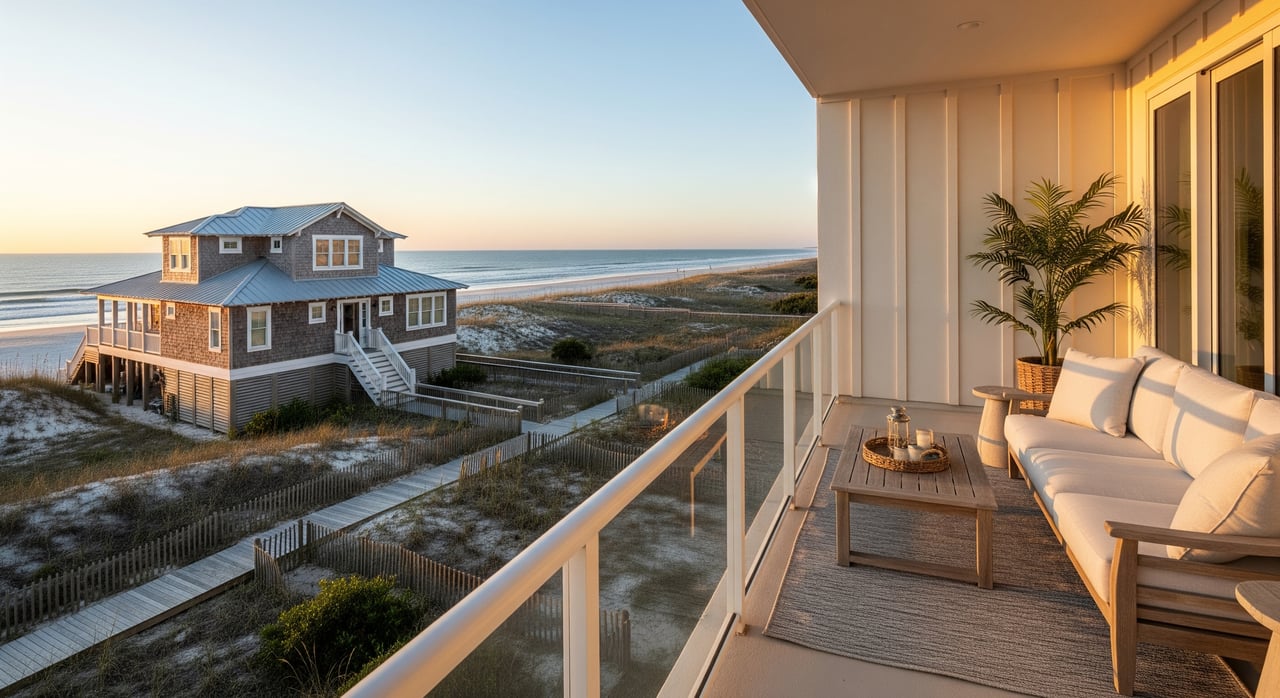
30A Condo vs House: Pros, Cons & Coastal Tradeoffs
November 27, 2025
November 27, 2025
Trying to decide between a condo and a house on 30A? You are not alone. Many buyers in Sandestin and Miramar Beach weigh the same choice, especially when lifestyle, rental potential, and long-term costs all matter. In this guide, you will learn how each option works here on the coast so you can move forward with clarity and confidence. Let’s dive in.
Along and near Scenic Highway 30A, you will find a mix of resort condos, townhomes, and single-family homes. Sandestin Golf and Beach Resort offers resort-style living with managed amenities and rental programs, while Miramar Beach blends private homes with vacation rentals. Seasonal tourism and beach access drive demand, with spring and summer peaks that affect occupancy and rental performance. For a sense of visitation patterns and local context, explore insights from Visit South Walton.
Resort communities like Sandestin Golf and Beach Resort concentrate amenities, on-site security, and rental management options. Outside the resort, you will find neighborhoods with smaller HOAs or none at all. Your choice often comes down to how you want to use the property, how much maintenance you want to handle, and your comfort with association rules.
Condos can offer a lower entry price than detached homes near the beach, especially in larger resort complexes. That said, pricing varies widely by building, view, floor, amenities, and proximity to the Gulf. Single-family homes often command a premium for land, garages, and privacy. Resale value depends on factors like association quality for condos and lot location and flood risk for homes.
If you need current price trends, ask for up-to-date MLS market data and property-level tax records. In this market, depth of demand can shift by season and by product type.
For condos, monthly dues usually cover building insurance, exterior maintenance, landscaping, pools, elevators, reserves, and sometimes cable or internet. These fees are not a penalty. They are a substitute for maintenance you would pay on your own. Review what is included and compare the effective monthly cost across several buildings.
For houses, you often have lower or no HOA dues, but you are responsible for all exterior upkeep and capital items. Budget for roof, HVAC, exterior painting, landscaping, and pest control. Coastal salt air accelerates wear, so proactive maintenance is wise in both cases.
Property taxes are levied by Walton County. Special assessments can occur in both condos and houses for major projects or community needs. Always ask for association financials, recent assessment history, and the current year budget before you make an offer.
Condo owners typically carry an HO-6 policy for interior build-out and personal property, while the association maintains a master policy on the structure. Homeowners carry a standard HO-3 or HO-5 policy and may need separate wind and flood coverage. Insurance availability and premiums can change; consult guidance from the Florida Office of Insurance Regulation and a local coastal insurance agent.
Flood risk is a key factor near the Gulf. Lenders require flood insurance for properties in FEMA Special Flood Hazard Areas. You can review flood zones using the FEMA Flood Map Service Center. Ask for the elevation certificate when available.
Financing a single-family home is usually straightforward. Coastal homes may require wind mitigation reports, flood insurance, and proof of elevation as loan conditions. For condos, lenders scrutinize the project, not just the unit. Items like reserve funding, owner-occupancy ratios, and litigation status matter for conventional or government-backed loans. To understand project eligibility criteria, review Fannie Mae’s condo project standards.
If you plan to use FHA or VA financing, confirm whether the specific condo project is approved. If not, options may be limited or the process may take extra time.
The 30A area supports a strong short-term rental market. Regulations and rules are local and can change, so confirm what applies to your property type and community. Condos and HOAs can set minimum stay lengths, registration steps, and on-site management requirements. Resort communities like Sandestin Golf and Beach Resort may have specific rental program rules.
The county may require tourist tax collection, registration, and safety compliance for transient rentals. For tourism context and resources, start with Visit South Walton, then review applicable county ordinances and your association documents.
For condos, association quality is a major value driver. Buyers will focus on dues, reserves, special assessments, insurance deductibles, and rental policies. Buildings with strong budgets and transparent maintenance histories tend to hold value.
For houses, location, elevation, and construction quality matter. Homes built or upgraded with storm-resistant features can be more marketable. Proximity to private beach access or community amenities can support demand.
If you plan to rent, remember that income is taxable and may require tourist tax collection and periodic filings. A CPA familiar with Florida vacation rentals can help you plan for deductions and reporting.
Florida law sets out the framework for both condos and HOAs. Condos fall under the Florida Condominium Act, Chapter 718, while homeowner associations are governed by Chapter 720. These statutes cover budgeting, reserves, meetings, disclosures, and collections. Reviewing these rules alongside your community’s governing documents helps you avoid surprises later.
Both condos and houses thrive along 30A, especially in Sandestin and Miramar Beach. If you want turnkey ease, on-site amenities, and simple ownership, a condo can be a great fit. If you want privacy, storage, and control over improvements, a single-family home may serve you better. The right choice balances lifestyle, rental goals, maintenance tolerance, and risk.
If you want to compare specific buildings and neighborhoods, or you would like current data on pricing, dues, rental projections, and insurance, reach out. You will receive confidential, high-touch guidance tailored to your goals.
Ready to explore options or price your current property? Connect with Tom Fitzpatrick for a private consultation or request a Complimentary Market Valuation.


Specializing in 30A luxury properties, Tom offers an unparalleled level of service, marketing expertise, and personalized attention, ensuring your real estate needs are met with honesty and integrity.